
-
ACTION CENTRE
-
NEWS AND EVENTS
-
WHO WE ARE
- Online Shop
Embracing Australian coal
ONE NATION ENERGY POLICY: ENDING ‘NET ZERO’ AND BUILDING ENERGY SECURITY FOR ALL AUSTRALIANS.
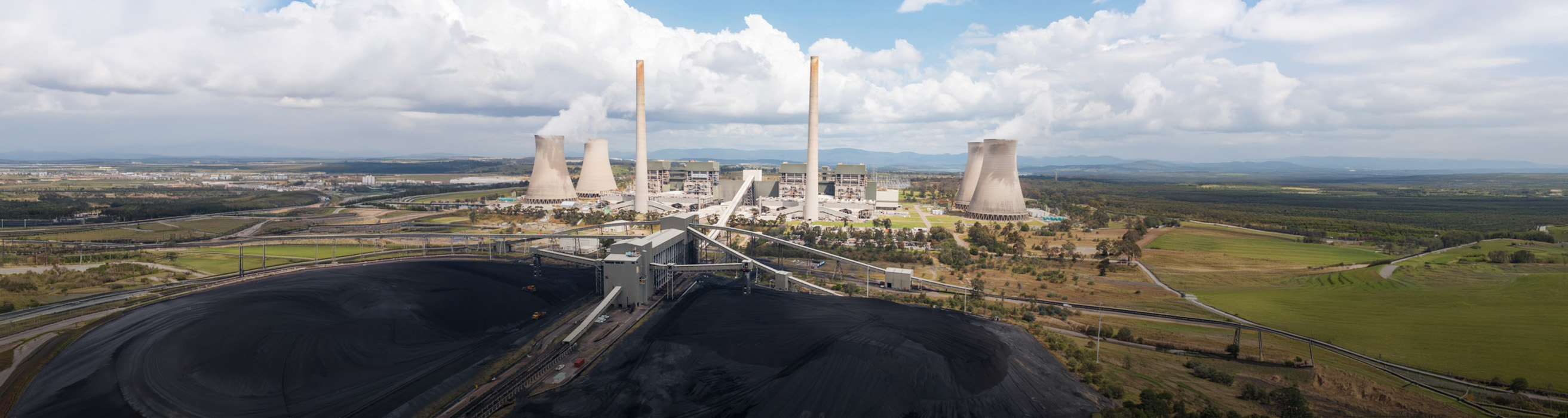
One Nation recognises baseload coal as a critical part of Australia’s energy mix. Coal fired power provides continuous, controllable power that keeps the grid stable for homes, hospitals, farms, and factories, day and night and in all weather. Existing stations, and the rail and port links that support them, are proven assets that can support energy intensive industries such as manufacturing, mining, and heavy industry. Coal also underpins many well paid, skilled jobs in regional towns, and supports local businesses, schools, and services that rely on those wages.
Coal is also central to Australia’s energy sovereignty and the practical use of our own resources. Australia has large reserves of coal, a skilled workforce, and supply chains that have been built up over generations. Using Australian coal for Australian industry reduces exposure to imported fuels and volatile overseas markets, and keeps more of the value of our resources onshore.
One Nation will advocate for the construction of three new black coal ultra-supercritical (USC) power plants (USC plants have higher thermal efficiencies and, as a result, lower emissions than any plant in operation in Australia today) at locations where coal-fired power generation once took place but has since been removed: Collinsville in Queensland’s Whitsunday region; and Port Augusta in South Australia’s Upper Spencer Gulf region; and where it is desperately needed: in the Hunter Valley in New South Wales to prevent the announced closure of the vital Tomago aluminium smelter in 2029. Tomago produces 37% of Australia’s primary aluminium and contributes $2.2 billion to the Australian economy every year.
One Nation also notes that existing coal power generation capacity in New South Wales and Queensland (totalling approximately nine gigawatts) must be extended beyond scheduled closures until it can be replaced with similarly reliable and inexpensive generation capacity. These include Bayswater (scheduled date 2033), Eraring (2027), Vale’s Point (2023), Callide (2028) and Gladstone (2029).
Prevailing real-world costs of electricity generated by new black coal USC plants (adjusted for Australian conditions) are approximately $50-70 per megawatt hour (MWh) according to Arche Energy. This is approximately only half the wholesale electricity price in the National Electricity Market (NEM), which averaged more than $120/MWh in 2024.
Australia’s newest supercritical coal-fired power plant, at Kogan Creek near Chinchilla in Queensland, had a 2024 escalated capital cost of $2965 per kilowatt (kW). Assuming a $3000/kW capital expenditure cost, a 500MW black coal USC power plant at Port Augusta (the previous plant generated 520MW) would cost $1.5 billion, a 200MW plant at Collinsville (the previous plant generated 190MW) would cost $600 million, and a 1000MW plant in the Hunter Valley would cost $3 billion.
‘Net zero’ is destroying Australia
The real impacts of ‘net zero’
Lowering prices for households, businesses and industries
Do you like this page?